 EM
EMElectrician's Mate(EM Navy Rating)
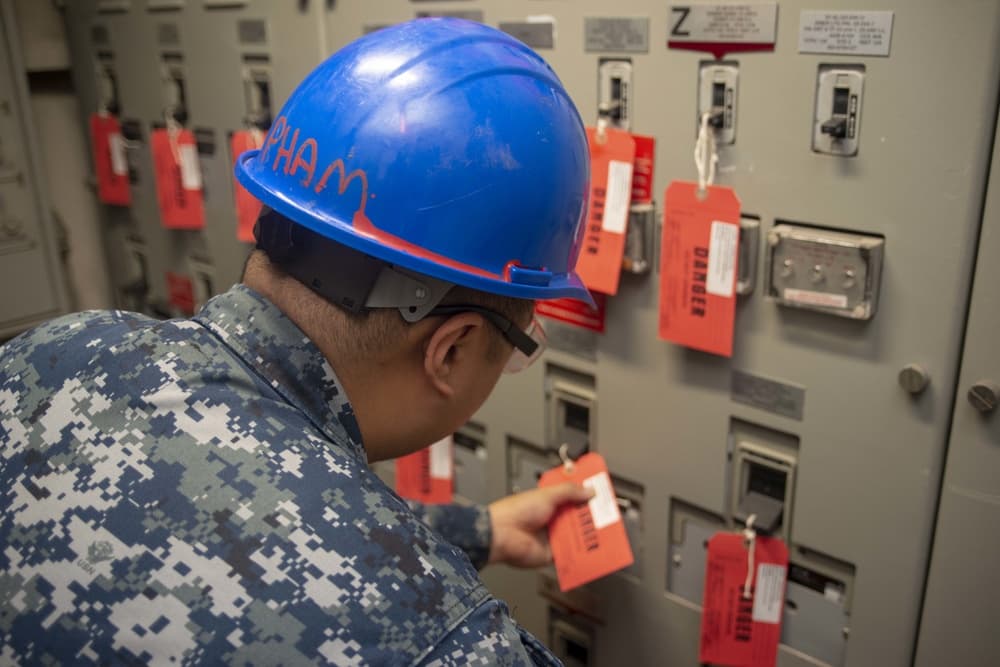
Electrician's Mates operate and maintain electrical power generation and distribution systems aboard ships, submarines, and at shore facilities. EMs work with generators, motors, transformers, switchboards, and lighting systems.
Overall
Quick Stats
- ✓Normal color perception
Security Clearance
Secret~$3K–$15K civilian sector value
Requires a National Agency Check with Local Agency Check and Credit Check (NACLC). Processing typically takes 1–3 months and is initiated early in your training pipeline.
ASVAB Requirements
AFQT Minimum
50
Line-score options — meet any one
- VE+AR+MK+MC≥210
Who This Is Best For
Best for hands-on problem solvers who enjoy electrical troubleshooting and want one of the most directly transferable trade skills in the fleet. Experience counts toward journeyman electrician licensure — meaning you leave the Navy with a credential most civilians spend years and thousands of dollars earning on their own.
+Pros
- ✓Active enlistment bonus available
- ✓Strong opportunity advancement outlook
- ✓Strong civilian career transition
–Cons
- ✗Significant sea duty
Real Opinions
+Positive
“Electricians on a ship work hard but the skills translate directly. I got my journeyman card while in.”
“Being an EM is easy as long as you pay attention, you are a good learner, and follow the rules as much as you can.”
Page 1 of 3
Share your opinion about EM
0 charsRecruiter vs Reality
What the recruiter says vs. what it's actually like.
🫡 Recruiter says
“You'll learn to run power plants — great for civilian power companies”
💀 Reality
Source: r/navy veteransThe skills are real, but shipboard electrical work is grueling. Expect long hours in hot engine rooms and port-and-starboard watches on deployment.
🫡 Recruiter says
“Engineering rates always have great advancement”
💀 Reality
Source: Navy advancement quotasEM advancement has been average at best recently. Manning fluctuates, and being undermanned means more work, not faster promotion.
Page 1 of 6
Horror Stories
Real stories people have shared about this rate. Swipe to browse.
“Graveyard watch on the load center. The ship could not go cold-iron — combat readiness, they said — so I was racking live 450V breakers while underway. The MT next to me braced to shift the load. One instant it was routine. The next, a thunderclap. Blue-white plasma blew out of the cabinet and wrapped both his hands like he had dipped them into the sun. His coveralls caught. His gloves fused to his skin. The smell — ozone, burnt hair, flesh — I still cannot walk past a welding shop without flinching. Naval Safety Command logged over 200 afloat electrical mishaps in two years. He became one of them. EMs do not get to power down the ship. We work it hot and pray.”
Story 1 of 4
Share a horror story about EM
0 charsRelated Reading
Guides on picking a rate, ASVAB, bonuses, promotion, and life after the Navy.
Getting Started
How do you choose the right Navy rate for you?
Choosing a Navy rate means weighing your ASVAB scores, lifestyle preferences, civilian career goals, and willingness to deploy or go to sea. Start by identifying which ratings you qualify for, then narrow the list by what matters most to you.
Getting Started
What is the ASVAB and what scores do you need?
The ASVAB is a multi-aptitude test that determines which Navy ratings you qualify for. Your sub-test scores combine into line scores, and each rating has minimum line-score requirements. Higher scores open more options.
Career & Pay
Which Navy rates have the biggest enlistment bonuses in 2026?
Active Component (Active Duty) only. Per the CNRC GENADMIN dated 24 July 2026, the biggest source-rate bonus is $40,000 — Nuclear Field on FY26 ship dates ($75,000 EB cap). Special Warfare Boat Operator (SB) follows at $35,000, then EOD and SEAL (SO) at $30,000, and Aviation Rescue Swimmer (AIRR) and Cryptologic Technician Maintenance (CTM) at $25,000. Special Operations Future Sailors who clear the elevated PST standards add a flat $20,000 EBPST. Most rates cap at $50,000 total EB. The Loan Repayment Program adds up to $65,000 on top, separately. Reserve component (SELRES) bonuses are governed by a different message and are not covered here.